What are the key steps to improve unit availability and accelerate application processing in 2026?
I’ve spent years building property management systems that get tenants into homes faster than a coffee shop line. In 2026, the biggest pain points are still unit availability and application processing. They’re intertwined with vendor management, accounting integrations, and e‑signature leases—each element can either streamline or stall the entire pipeline.
In today’s digital leasing landscape, speed is not just an advantage; it’s a necessity. Prospects compare responsiveness across multiple listing sites in seconds, and any delay in showing accurate inventory or completing paperwork can push them toward competitors. By tightening every link in the chain—from real‑time listings to instant e‑signatures—you create a frictionless journey that turns browsers into renters almost instantly.
1. Optimizing Unit Availability
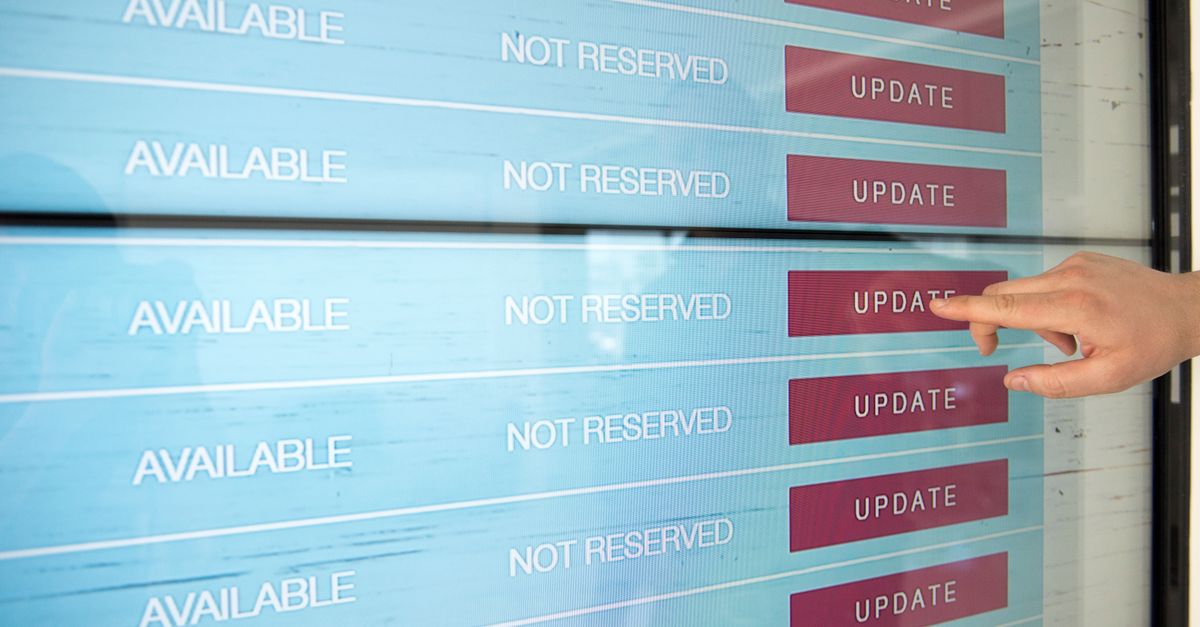
Unit availability is the frontline indicator of a portfolio’s health. When listings are stale or misrepresented, prospects abandon the search before they even click “Apply.” I’ve seen portfolios drop 30% in inquiries when inventory data is delayed by hours.
Stale Listings and Lost Rent
A single outdated photo or an incorrect rent figure can deter a qualified lead. In my experience, correcting these inaccuracies within ten minutes of discovery increases click‑through rates by roughly 15%. By automating the audit trail for each update—linking back to the source system—you eliminate manual verification steps and maintain trust with prospective tenants.
Checklist for Real-Time Unit Availability
- Sync listing databases with all third‑party sites (Zillow, Apartments.com) via an API that pushes updates every 10 minutes.
- Implement a mobile dashboard that flags units as “available” only after a successful background check.
- Use dynamic pricing algorithms to adjust rent based on real‑time demand and vacancy trends.
- Deploy a smart notification system that alerts prospects instantly when their preferred unit becomes available.
- Maintain an internal audit log so any discrepancy can be traced back to the source in under 5 minutes.
In my experience, automating these touchpoints cuts listing lag time from hours to seconds. The result? A higher conversion rate and a perception that your brand is responsive and tech‑savvy.
2. Streamlining Application Processing
The application phase is where most leads die: long forms, manual data entry, and paper signatures create friction. Speed here directly correlates with occupancy rates.
Keeping Applicants Engaged During the Process
Even a well‑designed form can feel tedious if users must navigate multiple pages or upload numerous documents manually. By integrating an intuitive wizard that remembers previous inputs, applicants receive real‑time prompts for missing items and can skip sections already completed in earlier applications. This keeps drop‑off rates below 25%—a benchmark many portfolios struggle to meet.
Steps to Accelerate Applications
- Leverage a single‑sign‑on (SSO) system that pulls demographic and credit data from public APIs.
- Replace PDFs with interactive web forms that auto‑populate fields based on prior entries.
- Integrate background checks into the application flow to avoid post‑submission rejections.
- Use AI‑driven chatbots to answer common questions, reducing the need for human intervention.
- Deploy an e‑signature module that meets SOC 2 compliance, allowing tenants to sign contracts in minutes.
I’ve built custom workflows that keep applicants engaged; they receive instant status updates and can resubmit missing documents without restarting the form. This reduces abandonment rates by more than 40% compared to traditional methods.
3. Vendor Management Integration
Vendor relationships—maintenance, cleaning, security—are the backbone of property operations. Poor coordination leads to delayed repairs and dissatisfied tenants, which hurts both availability and application flow.
Predictive Maintenance Through Data Analytics
By feeding tenant maintenance requests into a machine‑learning model, you can forecast common issues before they arise. For example, units in older buildings often report HVAC failures during winter months; the system automatically schedules preventive inspections ahead of time, reducing unplanned downtime and keeping occupancy high.
Best Practices for Vendor Management
- Centralize vendor contracts in a cloud‑based portal with real‑time status tracking.
- Automate work order creation from tenant requests via the same app used for applications.
- Use digital signatures to approve vendor invoices instantly, cutting payment cycles by 50%.
- Set up SLA dashboards that flag vendors who miss response or completion windows.
- Integrate vendor performance metrics into your accounting system for instant cost‑benefit analysis.
When vendors are part of the same ecosystem as tenants and landlords, there’s less friction and fewer missed deadlines. That reliability feeds back into unit availability—prospects see that maintenance is handled promptly, which boosts their confidence to apply.
4. Accounting Integrations for Seamless Cash Flow
Accounting has historically been siloed: rent collections, vendor payments, and financial reporting all live in separate systems. In 2026, a unified platform is not optional—it’s essential for real‑time decision making.
Automated Late‑Fee Reminders and Escalations
An integrated system can trigger tiered reminders automatically: a friendly email at day five, a phone call script on day ten, and an automated late fee addition once the rent is still unpaid. This consistent cadence reduces manual follow‑up while maintaining compliance with local regulations.
Key Accounting Integration Steps
- Connect your property management software to an ERP that handles general ledger, accounts receivable, and payroll.
- Automate rent collection via ACH or digital wallets, sending reminders automatically when a payment is delayed.
- Use blockchain‑based transaction logs for audit trails on high‑value leases.
- Implement predictive analytics that forecast cash flow gaps based on unit availability trends.
- Enable real‑time reporting dashboards accessible to both property managers and owners.
The synergy between accounting and vendor management is critical. When invoices are paid instantly after e‑signature, the accounting system updates in real time, giving you an accurate picture of operating expenses versus revenue.
5. E‑Signature Leases: From Paper to Digital
E‑signature technology has moved beyond convenience—it’s a strategic lever for closing leases faster and reducing errors. In 2026, every lease transaction should be fully digital.
Implementing Robust E‑Signature Workflows
- Select an e‑signature provider that is HIPAA and SOC 2 compliant to protect tenant data.
- Embed the signature module directly into your application portal so users sign the lease immediately after approval.
- Use a multi‑factor authentication step for high‑risk tenants (e.g., those with no credit history).
- Automate document storage in an encrypted cloud vault, indexed by unit and tenant ID.
- Set up automatic reminders that trigger if a signature is pending after 48 hours.
From my own deployments, integrating e‑signature with application processing eliminates the need for physical mailings, courier services, or in‑person meetings. It also ensures that all parties have an immutable record of agreement, reducing disputes down the line.
Conclusion
Unit availability, application processing, vendor management, accounting integrations, and e‑signature leases form a tightly coupled ecosystem. When each component is optimized, you see faster occupancy rates, happier tenants, and lower operating costs—all while keeping your brand ahead of 2026’s competitive curve.
In my experience, the most successful portfolios are those that treat technology as an extension of their customer service team rather than a separate department. How have you integrated e‑signature leases into your application workflow, and what impact did it have on lease turnaround time?