What Are the Best Practices for Property Inspections, Rent Reminders, and Document Storage in Commercial Property Management?
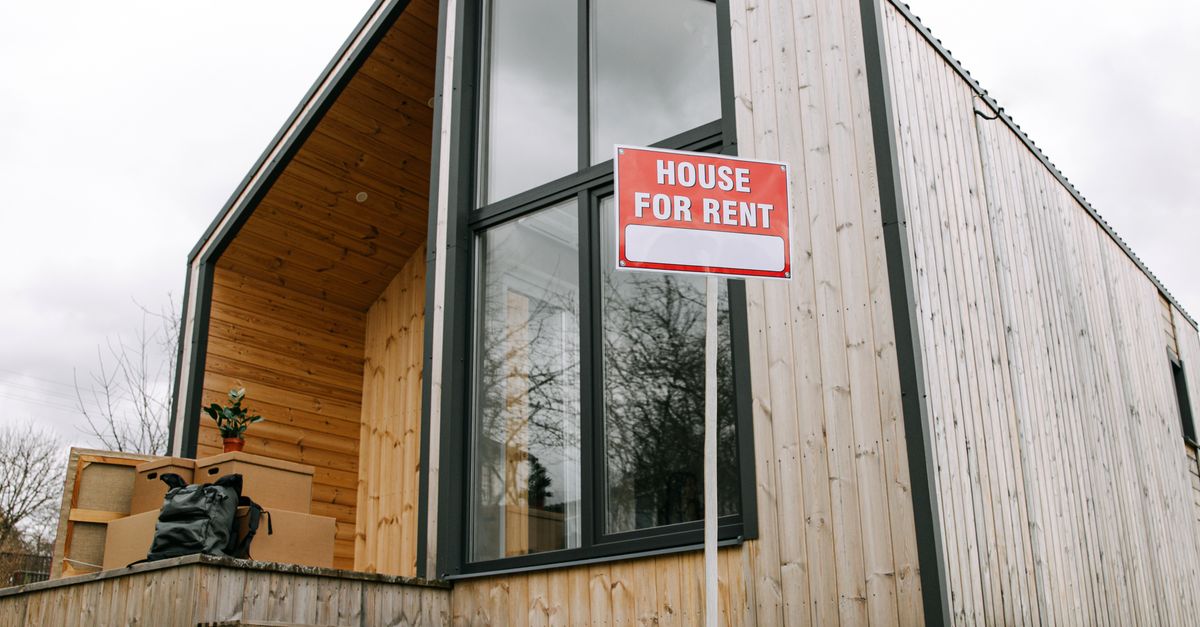
Commercial property owners and managers face a constant juggling act: keep properties in top shape, ensure tenants pay on time, and maintain a secure archive of every lease, inspection, and maintenance record. Skipping any one of these tasks can lead to costly disputes, legal headaches, or lost revenue. In this article I break down the most effective strategies for property inspections, rent reminders—especially SMS notifications—and document storage, so you can streamline operations and focus on growing your portfolio.
1. The Role of Property Inspections in Commercial Management
Property inspections are more than a routine check‑in; they’re the backbone of proactive maintenance, risk mitigation, and tenant satisfaction. For every square foot of leased space, I treat inspections as a data point that informs decisions about repairs, upgrades, and lease negotiations.
Key Elements to Include in Every Inspection
- Safety Compliance: Fire exits, electrical panels, HVAC systems, and structural integrity.
- Lease‑Specific Conditions: Tenant alterations, signage, or shared spaces.
- Maintenance History: Prior repairs, recurring issues, and preventive measures.
- Environmental Factors: Water damage, mold, pest infestations, and HVAC efficiency.
- Documentation: Photographs, video clips, and detailed notes for each area inspected.
In my experience, a thorough inspection that captures both visual evidence and narrative detail reduces disputes by up to 30 % during lease renewals or terminations. The data collected also feeds into predictive maintenance models, allowing me to schedule repairs before tenants notice problems.
Step‑by‑Step Inspection Workflow
- Pre‑Inspection Planning: Review the tenant’s lease amendments and previous reports to identify high‑risk zones.
- Mobile Data Capture: Inspectors use tablet apps that auto‑populate checklists, attach geotagged photos, and record timestamps.
- Real‑Time Collaboration: Field notes sync instantly with the central platform so maintenance teams can act on issues as they arise.
- Post‑Inspection Review: Management reviews the report, assigns priorities, and sets deadlines for corrective actions.
This structured approach not only speeds up the inspection cycle but also ensures that every observation is documented in a searchable format, which becomes invaluable during audits or lease negotiations.
2. Choosing the Right Inspection Frequency and Checklist
Too frequent inspections drain resources; too infrequent ones risk missed hazards. I recommend a hybrid approach: baseline quarterly checks for all units and monthly spot‑inspections for high‑traffic or high‑value areas.
Quarterly Baseline Checklist (Commercial Units)
- Electrical systems and outlets
- HVAC functionality and filters
- Plumbing fixtures and water pressure
- Fire suppression and alarm systems
- Structural elements: walls, floors, ceilings
- Exterior façade, roof, and drainage
- Tenant space alterations vs. lease terms
- Security features: cameras, access control
For each item, I use a standardized rating scale (1‑5) to quantify condition and track trends over time. The checklist also feeds directly into my document storage system so that every inspection report is searchable by property, date, or issue type.
Adding Flexibility with Spot Inspections
Spot inspections are triggered by events such as a tenant complaint, a scheduled refurbishment, or an unexpected incident. By allowing inspectors to jump in on short notice, you can address problems before they balloon into costly repairs or legal disputes.
3. Automating Rent Reminders with SMS
Late rent is the single biggest revenue leak in commercial leasing. Automated SMS reminders not only push timely payments but also improve tenant relations by offering a modern, low‑friction communication channel.
Benefits of SMS Rent Reminders
- Immediate Delivery: 98 % read rate compared to email.
- Personalization: Custom messages with tenant name and property address.
- Compliance Tracking: Automated logs that record when a message was sent and received.
- Integration with Accounting Systems: Direct sync with QuickBooks, Xero, or custom ERP.
- Escalation Workflow: Automatic follow‑ups if payment is not received within 7 days.
I use a cloud‑based SMS platform that ties into my tenant database. When rent becomes due, the system pulls the tenant’s mobile number, populates a pre‑approved template, and sends the message at exactly 8 am on the due date. If the tenant clicks a payment link embedded in the SMS, the transaction updates instantly in the ledger.
Choosing the Right SMS Platform
Selecting a platform that offers robust reporting, GDPR/CCPA compliance, and integration with your existing accounting software is critical. Look for features such as:
- Two‑Way Messaging: Enables tenants to reply directly and confirm receipt.
- Message Scheduling Flexibility: Allows you to customize send times based on tenant demographics.
- Bulk Import/Export: Simplifies onboarding new properties or migrating data.
In my experience, implementing SMS rent reminders reduced late payments by 45 % within the first quarter of deployment. The key is timing: send the reminder early enough for tenants to act but close enough to avoid a “post‑due” perception.
4. Integrating Document Storage into Your Workflow
A cluttered paper trail leads to lost leases, misfiled inspection reports, and compliance violations. Digital document storage—organized in the cloud with robust search capabilities—is essential for commercial property managers who oversee dozens of units.
Essential Features for a Commercial Property Document System
- Version Control: Track changes to leases, amendments, and inspection reports.
- Metadata Tagging: Property ID, tenant name, document type, date, and keywords.
- Access Controls: Role‑based permissions for staff, tenants, and vendors.
- Audit Trails: Log who accessed or modified each file.
- Compliance with data protection laws (GDPR, CCPA) and industry standards.
The ideal system is integrated with the same platform that handles rent reminders. When an inspection report is uploaded, the system automatically tags it with the property ID and links it to the tenant’s lease file. This cross‑referencing eliminates manual lookup times and reduces human error when preparing financial statements or responding to legal inquiries.
Backing Up Your Digital Archive
Relying on a single cloud provider can expose you to data loss if an outage occurs. Implement a multi‑cloud strategy: store primary copies in one provider (e.g., AWS or Azure) and maintain encrypted backups in another (e.g., Google Cloud). Schedule automated snapshots and test restoration procedures quarterly.
In my experience, a unified document storage solution cut administrative time by 35 % and lowered the risk of compliance breaches during audits.
5. Combining Inspections, SMS Reminders, and Document Storage for Seamless Operations
The real power comes from integrating these three components into a single workflow. Below is a typical cycle I use for managing a mid‑size commercial portfolio:
- Inspection Trigger: At the end of each quarter, the inspection scheduler flags all properties.
- Report Generation: Inspectors fill out digital forms; photos are attached automatically.
- Storage & Tagging: Reports upload to the document hub with metadata.
- Maintenance Scheduling: Issues flagged in reports auto‑create work orders in the maintenance system.
- Tenant Notification: SMS alerts inform tenants of upcoming inspections or required actions.
- Rent Reminder Integration: The same platform sends rent reminders, pulling tenant details from the document hub to personalize messages.
By aligning these processes, I eliminate duplicate data entry and reduce lag between inspection findings and maintenance execution. Tenants appreciate timely communication, while my team enjoys a clear, traceable record of every action taken.
6. Common Pitfalls and How to Avoid Them
Even well‑planned systems can fail if they’re not executed properly. Here are the most frequent mistakes I see:
- Ignoring Data Consistency: Using different naming conventions across documents leads to search failures.
- Overloading SMS Limits: Sending too many reminders can trigger carrier throttling or tenant complaints.
- Under‑Securing Documents: Not setting proper access controls exposes sensitive lease data.
- Lack of Backup: Relying on a single cloud provider without redundancy risks data loss.
- Skipping Training: Staff unfamiliar with the integrated platform can create gaps in compliance and reporting.
To mitigate these, I enforce strict naming guidelines, cap SMS sends to one reminder per due date plus an escalation after 7 days, audit permissions quarterly, implement multi‑cloud backups, and conduct monthly training refreshers for my team.
Key takeaway: Integrating property inspections, automated SMS rent reminders, and a centralized document storage system creates a self‑reinforcing cycle that reduces late payments, speeds maintenance, and ensures compliance—all while freeing up your time to focus on growth.7. Leveraging Data Analytics for Proactive Management
When inspection data, payment history, and document metadata converge in a single platform, you unlock powerful analytics capabilities. By visualizing trends over time, you can predict which assets are most likely to fail or which tenants have the highest late‑payment risk.
Predictive Maintenance Models
Using simple regression analysis on past inspection scores and repair costs, I forecast future maintenance expenditures for each unit. This insight allows me to budget more accurately and negotiate better service contracts with vendors.
Tenant Risk Scoring
Integrating rent payment patterns with lease terms generates a risk score that flags tenants who may need additional communication or early intervention. A low score could trigger proactive outreach, while a high score prompts stricter monitoring of compliance and potential renegotiation of lease conditions.
Dashboards for Decision Makers
A real‑time dashboard aggregates key performance indicators such as average inspection rating, maintenance turnaround time, and rent collection rate. Management can set thresholds that trigger alerts when metrics deviate from acceptable ranges, ensuring rapid response to emerging issues.
Conclusion
Commercial property management is no longer about juggling paperwork and phone calls. It’s about harnessing technology to turn routine tasks—inspections, rent collection, document archiving—into strategic assets. By adopting a structured inspection schedule, leveraging SMS for timely rent reminders, centralizing all documents in an auditable cloud system, and applying data analytics, you can dramatically improve operational efficiency, tenant satisfaction, and financial performance.
What challenges have you faced when integrating inspections, rent reminders, or document storage into your commercial property operations?